Chronic pain from an unresolved injury can limit everything — what you can do, how you move, how you feel day to day. Before committing to surgery or accepting ongoing pain management, many patients are exploring regenerative treatments that focus on tissue repair and restoring function. You may have more options than you've been told.
Months of physical therapy. A cortisone injection that wore off. Being told the next step is surgery you're not ready for. For many patients, the standard treatment pathway for orthopedic injuries leaves them in a frustrating middle ground — managing pain, but not improving.
Regenerative medicine takes a different approach: instead of masking pain or removing tissue, it aims to support your body's own repair processes at the site of damage.
Chronic pain from knee, shoulder, or back injuries affects how you move, sleep, work, and enjoy daily activities. The longer it persists without improvement, the more it compounds — physically and mentally.
Joint replacement and orthopedic surgery can be highly effective — but they also mean general anaesthesia, months of rehabilitation, permanent changes to your anatomy, and the possibility of revision surgery years later. They're not always the right first answer.
Regenerative treatments focus on tissue repair from the inside — reducing inflammation, supporting cartilage and tendon healing, and working with your biology rather than around it. For eligible patients, they offer a meaningful alternative to or delay of surgery.
These are established clinical approaches — not experimental fringe therapies. Here's what each one does and what it aims to achieve, described honestly.
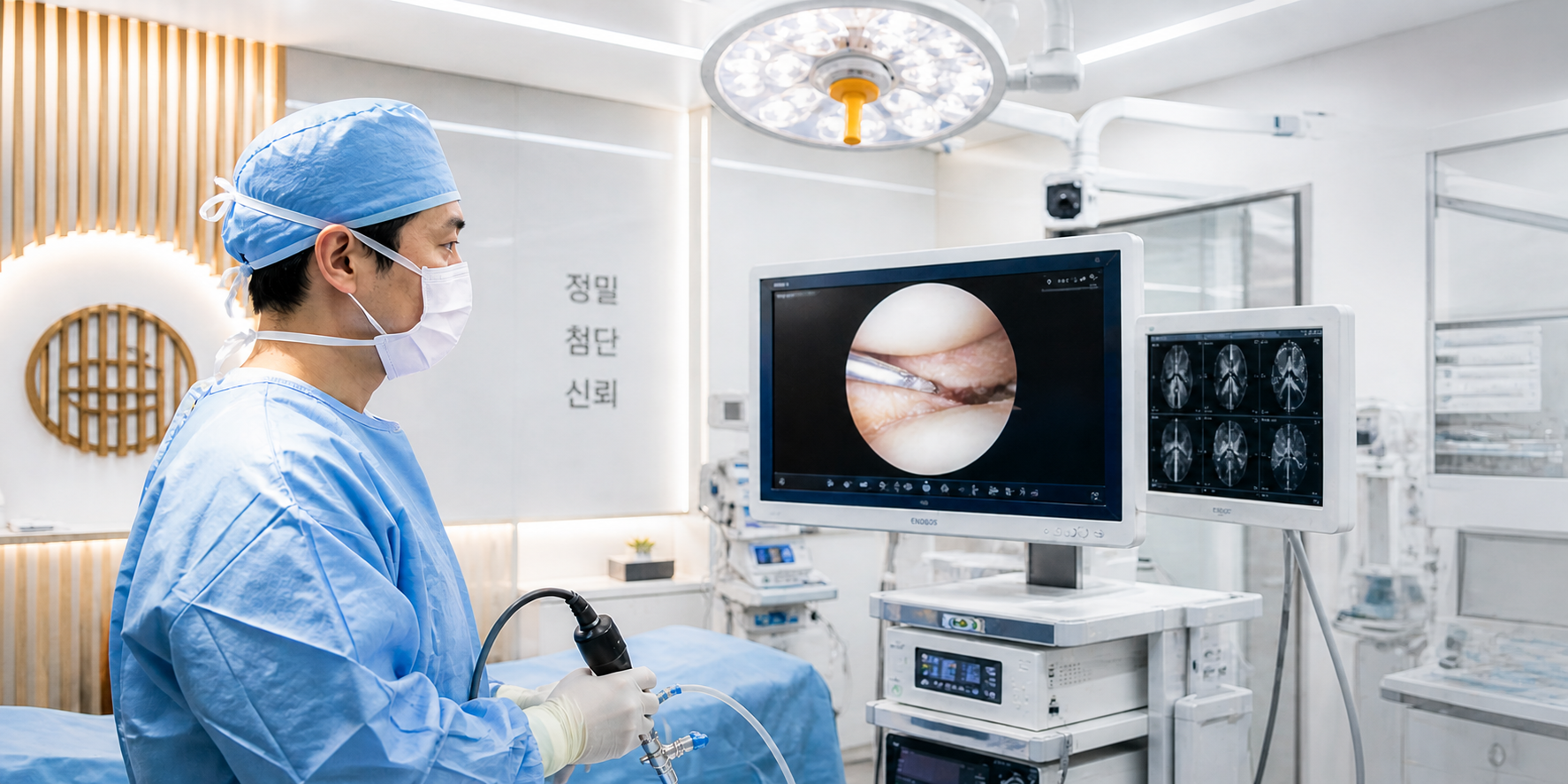
Concentrated stem cells — either from the patient's own tissue (autologous) or from a vetted donor source (allogeneic) — are introduced at the site of joint or tissue damage. The goal is to support natural repair processes that the body can no longer manage on its own.
A concentrated preparation of platelets from the patient's own blood, injected at the site of tendon, ligament, or joint damage. PRP delivers a high concentration of growth factors that signal the body to begin repair. Frequently used alongside stem cell therapy for enhanced effect.
Advanced regenerative programs combine stem cells, PRP, and targeted growth factor therapy into a single treatment plan optimized for the patient's specific injury profile. Available at select partner clinics in South Korea and Japan, where these protocols have the longest clinical track record.
Suitability for regenerative treatment is always determined by the specialist after reviewing your imaging and history — not by a checklist. But these are the most common orthopedic conditions our patients present with.
The most common area for regenerative orthopedic treatment. Stem cell therapy has the strongest documented clinical track record for knee cartilage repair, particularly through South Korea's Cartistem® protocol.
PRP and stem cell therapies are increasingly used for shoulder injuries — particularly partial rotator cuff tears and tendinopathy — where patients want to avoid surgery or have not responded adequately to physiotherapy.
Regenerative injections targeting disc degeneration, facet joint pain, and chronic lower back conditions — aiming to reduce inflammation and support tissue healing without spinal surgery.
Early to moderate hip osteoarthritis and labral injuries are increasingly addressed with regenerative protocols — potentially delaying or avoiding hip replacement for eligible patients.
Tendon and ligament injuries that haven't resolved with conventional treatment — Achilles tendinopathy, tennis elbow, patellar tendon, partial ligament tears — are among the most common PRP indications globally.
If your injury or chronic pain doesn't fit neatly into a category — or you're not sure whether regenerative treatment is appropriate — submit your case anyway. The evaluation team will give you an honest answer.
Each destination serves a different patient profile. Whether you're traveling from the US or Europe, there's an option that fits your journey.
Seoul is where stem cell cartilage treatment has its longest and most documented clinical track record. Cartistem® — the world's only government-approved allogeneic stem cell product for knee cartilage repair — is available here and has been in use since 2012.
Japan's Act on the Safety of Regenerative Medicine has created one of the world's most advanced regulatory frameworks for approved cell therapies. Cell Grand Clinic in Osaka offers orthopedic and knee pain programs using the latest combination protocols.
SwissMed Health in Limassol operates under European medical regulatory standards with a well-developed protocol for regenerative orthopedic treatments. A natural choice for European patients who want quality care without transcontinental travel.
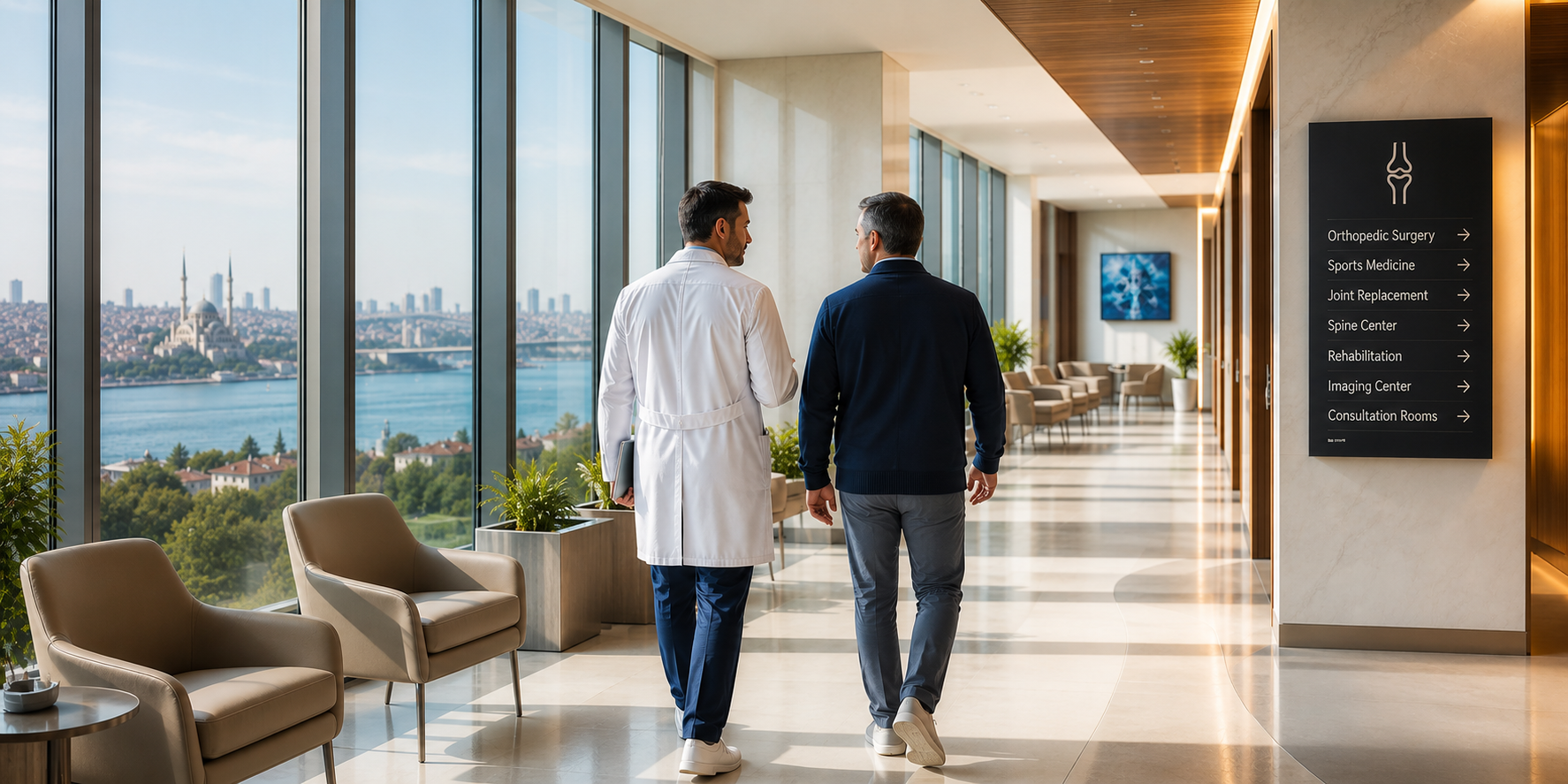
Istanbul's JCI-accredited hospitals — Memorial and Medical Park — offer regenerative orthopedic treatments alongside comprehensive surgical programs. Turkey combines strong clinical infrastructure with some of the most competitive pricing in the network, accessible from both the US and Europe.
Simple, structured, and fully supported — from first contact to treatment and recovery.
Share which area is affected, what you've tried so far, and what you're hoping to achieve. Upload any imaging if you have it. No commitment — this is how we understand your case.
A coordinator reviews your case and submits it to the most appropriate clinic in our network based on your injury type, location, and goals.
The clinical team reviews your case and provides an honest assessment — including whether you're a suitable candidate, which protocol fits, and an estimated cost and timeline.
If you proceed, we coordinate scheduling, pre-travel preparation, in-destination logistics, and post-treatment follow-up. Your coordinator stays reachable throughout.
No spin. The same answers we'd give in a direct conversation.
No — and this distinction matters. There is a significant difference between the unregulated "stem cell" injections offered by some US clinics (which are not FDA-approved and lack clinical oversight) and the government-regulated, clinically administered protocols available at accredited hospitals in South Korea, Japan, and Cyprus. The facilities we work with operate under national regulatory frameworks, apply defined clinical protocols, and perform proper patient evaluation before treating anyone.
That's the goal for many patients — but we can't guarantee it, and neither can any provider. For eligible candidates, regenerative treatment may meaningfully reduce pain, improve function, and delay or avoid surgery. For others, it may provide temporary improvement or limited benefit. The honest answer depends entirely on your specific injury, severity, age, and overall health. The specialist evaluation will give you a realistic picture before you commit to anything.
Candidacy is determined after reviewing your MRI or X-ray imaging, medical history, and current symptoms. In general terms, patients with Grade I–III joint damage, partial tendon or ligament injuries, and chronic pain from identifiable structural damage tend to be more suitable candidates. Grade IV (bone-on-bone) joint damage may or may not qualify depending on the protocol. Submit your case — the evaluation team will give you an honest assessment.
Most stem cell orthopedic procedures are performed in a single session — either same-day arthroscopic or injection-based. Patients typically plan 7–12 days total: pre-procedure evaluation, the procedure, and initial monitored recovery before flying home. Your coordinator will provide a specific timeline once your case is reviewed. PRP-only treatments may require a shorter stay.
In the US, stem cell orthopedic treatments — where available — typically cost $5,000–$15,000 or more, and are rarely covered by insurance. In Europe, similar limitations on insurance coverage apply and costs are comparable. At partner facilities abroad, the same caliber of treatment is often available for significantly less — sometimes 50–70% of what you'd pay at home. All figures are estimates until confirmed by the provider after reviewing your case.
Stem cell therapy works over time — not immediately. Most patients notice early changes at 6–8 weeks, with more significant improvement at 3–4 months. Full benefit is typically assessed at 6–12 months. The timeline varies by injury type, severity, and patient health. We set these expectations clearly before you travel, so you're not surprised by a process that requires patience.
For European patients, Cyprus is often the most convenient option — short flight times from most European capitals, European regulatory standards, and a well-established program at SwissMed Health in Limassol. Turkey is also easily accessible from Europe and offers strong clinical infrastructure with significant cost advantages. South Korea and Japan require longer travel but are worth considering if your injury profile benefits specifically from those destinations' stronger clinical track records.

Contact us and we'll walk you through what's available for your specific case. A coordinator will review your injury details and connect you with the right specialist — within 24 hours, with no pressure and no commitment required at any stage.